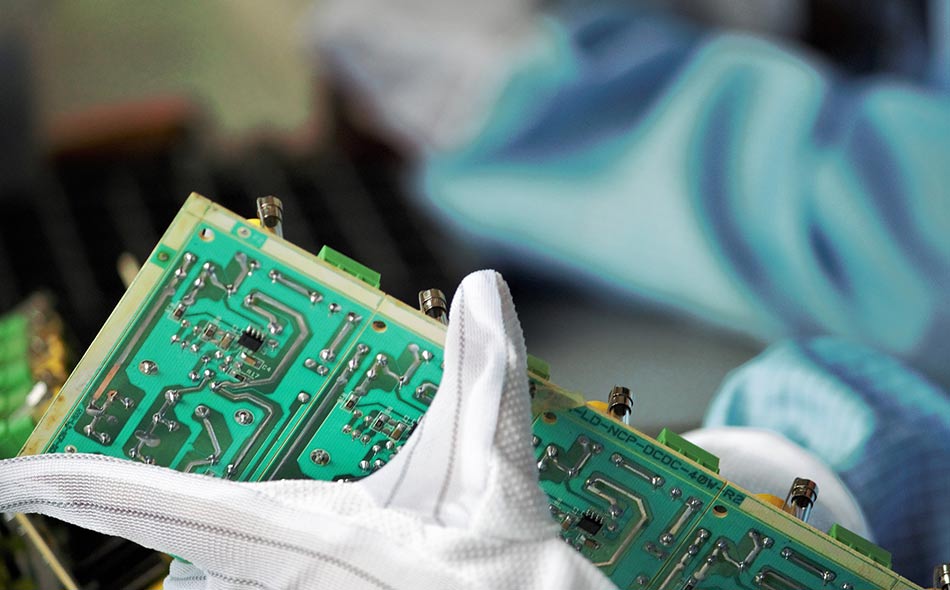
In simple terms, reverse engineering is the process of “disassembling and analyzing an existing product to figure out how it was made.”
Normally, building something involves: design blueprints → production → product.
Reverse engineering, on the other hand, involves: product → analysis and disassembly → logic/technical parameters/design blueprints.
Here are some of its main applications:
Software/Security:
Decompilation: Reconstructing source code logic by analyzing binary code (0s and 1s).
Uses: Finding vulnerabilities, analyzing malware, or achieving software compatibility (such as the famous Wine project).
Industrial/Mechanical:
Scanning and Reconstruction: Using a 3D scanner to obtain the dimensions of parts and generate CAD models.
Uses: Repairing discontinued parts or learning about competitors’ hardware structures.